People rarely think about veins until they ache, swell, or turn the color of a bruise that never fades. By the time visible varicose veins or stubborn ankle swelling appear, the story has usually been unfolding quietly for years. A well-run vein condition clinic lives in that quiet interval. Screening finds venous problems before they harden into ulcers, clots, or chronic pain. It turns vague leg heaviness into a diagnosis and a plan.
I have sat across from thousands of patients who blamed their legs on age, weight, or a long family line of “bad veins.” Some were right. Many were missing a solvable piece. A vein specialist does not promise fountain-of-youth legs. The goal is pragmatic: identify the venous disease driving the symptoms and match it to the least invasive, most durable treatment. If you know what to look for and where to look, you can intercept years of decline.
What “hidden” venous disease looks like in real life
Hidden venous issues rarely start with ropes of varicose veins. More often it’s the end of the day when socks leave tracks at the ankles or the skin around the shins itches and feels papery. People describe restless calves on airplanes, cramps that wake them at night, or a dull pressure after standing during a shift. Runners complain that the legs feel heavy in the first mile. Teachers and nurses come to a vein clinic after a colleague points out a web of spider veins near the knees that seem to multiply every summer.
None of these symptoms prove venous insufficiency. They point the way. The venous system is a low-pressure return path, and when the valves in the leg veins weaken, gravity wins. Blood pools downward, tissues swell, and the skin pays a price. This can occur even when the surface looks normal. The visible veins are only part of the network. The saphenous veins that matter most run deep to the skin and may be refluxing long before the skin reveals it.
I remember a contractor in his 40s who came to a venous disease center for “cosmetic spider veins.” His ankles swelled every August and he shrugged it off as heat. He had no bulging varicosities. Ultrasound showed significant reflux in the great saphenous vein from mid-thigh to ankle. Treating the underlying reflux reduced his swelling, improved endurance on ladders, and made subsequent spider vein treatment actually hold. Without the screening, he would have chased surface veins for years.
Where a dedicated vein clinic fits in
Primary care physicians see swollen legs every week. Cardiologists and orthopedists hear about leg pain and fatigue. But a vein clinic or vein health center has the equipment and focus to map the venous system with precision and to perform outpatient procedures that correct the problem without hospital admission. A vascular clinic or phlebology clinic brings three assets that change outcomes.
First, experience matters more than most patients realize. A vein doctor reading ultrasound images all day learns to spot subtle patterns in reflux, scarring, and anatomic variants. Second, the tools are specific. A comprehensive vein care center has high-resolution duplex ultrasound, reflux testing protocols, and a range of minimally invasive options under one roof. Third, a focused clinic understands the pace of recovery and the practical needs of working patients. Closing a leaky vein during a lunch break is not a marketing slogan. With the right case selection, it’s routine.
You will see many names that sound similar: vein treatment center, varicose vein clinic, spider vein clinic, venous insufficiency clinic, vein laser clinic, vein ablation clinic, vein sclerotherapy clinic. The best facilities combine expertise across these domains. Whether the sign says vein institute, vein wellness center, or interventional vein clinic, the fundamentals are the same. They diagnose reflux and obstruction accurately, match patients to vein treatment options that fit their anatomy and goals, and follow through with prevention.
The screening visit: what actually happens
Patients often expect a quick look at the legs and a brochure. That would miss the point. A thorough screening at a vein condition clinic is structured, but not rushed.
The medical history digs for risk factors and red flags. Age and gender do shape risk, but family history, pregnancies, prior leg injuries, and jobs with prolonged standing or sitting often weigh more. Medications, especially hormones, matter. The physician will ask about travel, clot history, and past surgeries. Symptoms are graded by timing: morning versus evening, after exercise versus after sitting, with or without compression socks.
The physical exam checks for asymmetry in calf size, areas of tenderness along superficial veins, skin changes at the ankles called corona phlebectatica, and signs of lipodermatosclerosis, the wooden feeling of chronically inflamed tissue. Feet and pulses are assessed to ensure arterial supply is adequate before prescribing compression or procedures. We look behind the knees and at the inner thigh, the usual path of the great saphenous vein, but also along the back of the calf where the small saphenous vein runs. Subtle clusters of spider veins can trace the map of underlying leaks.
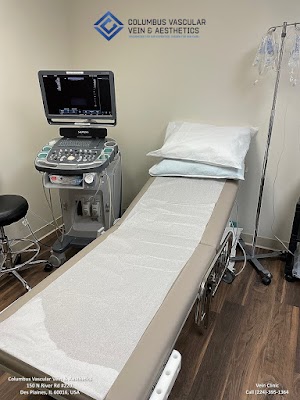
The cornerstone is duplex ultrasound performed in a vein ultrasound clinic setting by a vascular technologist or the vein physician. This is not a quick scan on a flat table. Patients are studied standing or in reverse Trendelenburg to allow gravity to challenge the valves. We measure vein diameters, locate junctions to the deep system, and test for reflux with brief compression and release. Reflux means blood flows backward for more than a set threshold, often 0.5 seconds in superficial veins. We also scan for obstruction, remnants of old clots, and perforator veins that may be incompetent and feeding skin changes.
In a week with a full schedule, I might map ten great saphenous systems, four small saphenous systems, and two accessory saphenous veins that explain a patient’s stubborn thigh veins after a previous procedure. The ultrasound worksheet becomes the blueprint for treatment. Without it, even an experienced vein expert can be misled by the surface.
Why early detection pays off
Venous disease progresses in fits and starts. It is not uniformly relentless, but untreated reflux rarely improves. The costs of waiting show up in three ways: symptoms become background noise that limits activity, skin changes take hold and resist reversal, and complications emerge at the worst possible time.
Heaviness and aching are easy to ignore until walking the dog becomes a chore. The skin around the inner ankle may darken, then itch, then thicken. Once eczema or lipodermatosclerosis sets in, even perfect vein closure may not restore normal skin. Ulcers at the medial ankle often follow a tiny trauma. They can take months to heal and recur if the underlying reflux persists. I have seen people miss work for weeks dealing with a wound that could have been avoided with a 20 minute endovenous ablation months earlier.
There is also the problem of clots. Superficial thrombophlebitis, a clot in a surface vein, hurts but usually stays put. It can, however, propagate toward the deep system. A good vein screening clinic recognizes which patterns are self-limited and which require prompt treatment to prevent extension. Deep vein thrombosis is less common in primary superficial reflux, but risk rises with immobilization, long travel, and certain medications. Knowing your venous map changes your travel strategy and post-op plan.
Catching reflux early gives you more choices. A smaller, straighter vein is usually easier to close with heat or adhesive and requires fewer adjunct treatments afterwards. Spider vein removal with sclerotherapy lasts longer when the feeder veins are controlled. Patients return to exercise a few days sooner. In short, timing smooths the path.
Sorting symptoms: when to book a vein consultation
Most patients weigh three questions. Do my symptoms match venous disease, could something else be causing this, and what do I gain from seeing a specialist now rather than later?
Symptoms that strongly suggest venous reflux include evening ankle swelling that resolves overnight, heaviness or dull ache that worsens with standing and improves with leg elevation, clusters of spider veins around the inner ankle or outer thigh, and calf cramps that flare at night without electrolyte issues or new training. Skin staining near the ankle that shifts from pink to brown over months is a flag. Family history of varicose veins adds weight.
Symptoms that need broader evaluation before a vein clinic visit include sudden unilateral swelling with pain, shortness of breath, or chest pain, which can signal a deep vein thrombosis or pulmonary embolism and requires emergency evaluation. Burning pain in the foot with numbness suggests nerve involvement. Swelling that involves the entire leg and does not vary through the day can point to lymphatic disease or pelvic obstruction. A vein physician can help sort these patterns, but triage matters.
If your symptoms wax and wane with the workweek, if flights or long commutes make your calves feel tight, or if your skin near the ankles Experienced vein clinic Des Plaines is marching from normal to sensitive to discolored, a vein clinic consultation is pragmatic. The exam will not commit you to treatment. It gives you clarity and, if needed, a conservative plan.
What professional screening uncovers that a mirror cannot
The mirror only shows surface veins. Ultrasound reveals four categories that tend to surprise patients.
Great saphenous reflux hides beneath smooth skin. A normal looking thigh can sit above a seven millimeter vein that refluxes for two seconds with each squeeze and release. Treating that vein can resolve ankle swelling even when no varicosities are present.
Accessory veins drive stubborn clusters. Anterolateral or posteromedial accessory saphenous veins can power spider veins on the outer thigh or knee that shrug off superficial sclerotherapy. Mapping and treating the accessory vein resolves the pipeline.
Perforator incompetence feeds ankle skin disease. Short veins that connect the deep system to the superficial system can fail and flood a small area of skin. A perforator near the inner ankle is a common culprit in ulcers. Targeted treatment works better than chasing the surface web.
Obstruction upstream changes strategy. Old clots or iliac vein compression (May Thurner anatomy) can narrow outflow. When present, treating reflux alone may not relieve swelling, and compression therapy or even venous stenting through a vascular vein clinic becomes part of the plan. The right sequence prevents disappointment.
From diagnosis to action: conservative options that work
Not every patient needs ablation or sclerotherapy. In fact, most people benefit from a period of conservative therapy, both to reduce symptoms and to document response for insurance coverage in many regions.
Graduated compression stockings, properly fitted, remain the most reliable noninvasive therapy. Knee-high 15 to 20 mmHg is a reasonable starting point for daily use. Frequent travelers or those with more significant swelling may need 20 to 30 mmHg. Fit matters more than brand. A vein care specialist will measure calf and ankle circumference and match the values to a size chart, avoiding the common mistake of buying by shoe size. Compliance rises when stockings are easier to don, which means using a rubber glove or a donning aid and putting them on before getting out of bed.
Leg elevation works when done correctly. Raising the feet above the heart for 15 to 20 minutes reduces venous pressure in a way that propping them on a footstool does not. Breaking up standing or sitting with short walks is underestimated. The calf muscle is a venous pump. Ten minutes of walking every hour does more than any pill for venous return.
Weight management and targeted strength training help. Even a modest drop in waist circumference reduces abdominal pressure and venous congestion. Calf raises and ankle mobility exercises improve the pump. These sound basic because they are, and they work.
Anti-inflammatory measures such as topical steroids for stasis dermatitis should be guided by a clinician. Skin will not heal if the leaking vein continues to flood the area, but quieting inflammation protects against infection while you plan definitive therapy.
When procedures make sense: choosing the right tool
Minimally invasive treatments replaced vein stripping for most patients years ago. The choice depends on anatomy, symptom severity, and goals. A well-staffed vein vein clinic near Des Plaines procedure clinic or vein surgery center explains trade-offs plainly.
Endovenous thermal ablation, using radiofrequency or laser, closes a refluxing saphenous vein with heat delivered through a catheter. It takes about 20 to 40 minutes, uses local tumescent anesthetic along the vein to protect surrounding tissue, and results in rapid return to normal activity. Radiofrequency and endovenous laser clinic outcomes are similar when done well. Radiofrequency tends to cause slightly less post-procedural tenderness in my experience, while modern 1470 nm laser fibers have narrowed that gap. Success rates for durable closure exceed 90 percent at one year. Patients wear compression for a few days and walk the same day.
Non-thermal, non-tumescent options are useful when anatomy or patient preference calls for fewer needle sticks. Medical adhesive closure with cyanoacrylate avoids tumescent anesthesia and heat. It can be helpful for tortuous veins or in patients who prefer to avoid multiple injections. There is a small risk of local phlebitis-like reaction that usually resolves. Mechanochemical ablation combines a spinning wire with sclerosant, also avoiding heat. Results can be excellent in selected veins, especially below the knee where nerves lie close to the vein and heat carries more risk.
Ultrasound-guided foam sclerotherapy targets tributaries and residual varicosities after saphenous closure or in patients with focal issues not driven by axial reflux. It is quick, office-based, and repeatable. A vein sclerotherapy clinic that mixes fresh foam with the correct gas and volume scores better durability. Cosmetic vein clinics often start here for spider veins, but a vein physician will caution that treating the feeders first makes cosmetic work last.
Ambulatory phlebectomy removes bulging varicosities through tiny punctures under local anesthesia. It offers instant contour improvement. Recovery involves bruising that clears over a couple of weeks. If the source reflux is untreated, new veins will often develop in the same territory over time.
Perforator ablation is reserved for targeted cases, generally when skin changes or ulcers overlie an incompetent perforator. A venous treatment center that treats both the axial reflux and the perforator sees better wound healing rates.
Occasionally, deeper issues call for a vascular vein treatment team. Iliac vein compression, for example, may require venography and stenting. A vein and vascular clinic with interventional radiology or vascular surgery expertise handles these rarer but consequential problems.
Safety, side effects, and durability
No procedure is without trade-offs. Post-procedural tenderness and tightness along a closed vein are common for a few days, sometimes a week. Walking alleviates discomfort more than rest. Superficial phlebitis in tributaries can occur and typically responds to anti-inflammatories and compression. Bruising after phlebectomy is expected.
Nerve irritation is uncommon but more likely when treating small saphenous veins or below-the-knee segments. Choosing non-thermal methods in these zones reduces risk. Deep vein thrombosis occurs in well under 1 to 2 percent with standard precautions. A vein surgery clinic screens for risk factors and may use short-term anticoagulation in select cases.
Durability depends on matching therapy to anatomy and managing lifestyle factors. A closed great saphenous vein tends to stay closed when the entire refluxing segment is treated, including accessory branches. New varicosities can form over time from other sources, especially if genetics and occupational stress remain. This is a chronic condition with highly effective tools, not a one-time cure for every patient. Annual check-ins at a vein evaluation clinic make sense for those with more advanced disease.
How insurance and cost typically work
Coverage varies by country and plan, but a pattern holds. Insurers often require documentation of symptoms interfering with function, ultrasound-proven reflux, and a trial of conservative therapy, typically 6 to 12 weeks of compression. Cosmetic spider vein therapy, without documented symptoms or reflux, is usually out-of-pocket. When pain, swelling, skin changes, or ulceration are present with documented reflux, ablation is commonly covered. A vein medical center used to the process will provide notes and ultrasound measurements that meet criteria and help avoid delays. Ask about facility fees versus physician fees, especially if treatment occurs in a hospital-based vein surgery clinic.
What separates an excellent vein clinic from the rest
You are trusting a team with your comfort, time, and anatomy. A few markers help you choose well. The clinic should perform a standing reflux study and share the map with you in plain language. A vein treatment specialist should discuss options, not one favorite procedure for every case. If the recommendation is to treat a short segment and return later for the rest, ask why. Thoughtful sequencing is good. Piecemeal treatment to fit schedules is not.
The best clinics have an experienced phlebologist or vein physician on site during procedures and recovery. They handle complications with calm and clarity. They schedule a follow-up ultrasound to confirm closure and check for rare extension of clot into the deep system. They encourage walking, hydration, and realistic timelines. They do not oversell cosmetic outcomes when the main goal is medical relief, and they do not ignore cosmetic concerns when those concerns matter to you.
Simple habits that keep veins healthier after treatment
A few pragmatic steps pay dividends, with or without procedures:
- Break up long stretches of sitting or standing. Aim for five to ten minutes of walking each hour during work and travel. Use graduated compression for flights, long drives, and heavy workdays. Choose 15 to 20 mmHg for routine use, 20 to 30 mmHg if swelling runs high. Train the calf pump. Daily sets of slow calf raises, ankle circles, and brisk walks improve venous return more than gadgets. Protect your skin. Moisturize the shins and ankles nightly, treat rashes early with guidance, and avoid hot baths when swelling is active. Mind weight and waist circumference. Even modest reductions improve lower extremity venous pressures and symptoms.
Case snapshots that reflect common paths
A 32-year-old postpartum teacher visited a leg vein clinic with ankle itching and new spider veins. Ultrasound showed reflux in an anterolateral accessory vein feeding the outer thigh and knee. A short radiofrequency ablation of the accessory vein followed by two sessions at a spider vein treatment center cleared the clusters and stopped the itching. She now wears light compression during the school day and books a quick check each spring before summer dresses reveal new webs.
A 58-year-old warehouse worker with calf heaviness and brownish ankle skin arrived skeptical. He had tried store-bought compression, using the wrong size. A proper fit at a vein care center and a month of use cut his end-of-day pain in half. Ultrasound confirmed great saphenous reflux. After endovenous laser treatment at an outpatient vein clinic and three tiny phlebectomy incisions, he reported better stamina on the floor and fewer nighttime cramps. His ankle skin softened over the next six months, helped by consistent moisturizing and walks.
A 46-year-old runner had recurrent spider veins around the inner ankle despite prior injections elsewhere. At a comprehensive vein health clinic, ultrasound found a small incompetent perforator feeding the area. A focused perforator ablation at a minimally invasive vein clinic, then touch-up sclerotherapy at a cosmetic vein clinic, delivered a result that finally lasted through a training season.
The value of a second look when something doesn’t add up
Not every treatment works the first time. Anatomy can surprise, and healing follows individual rhythms. If swelling persists after an apparently successful ablation, consider undiagnosed pelvic or iliac outflow issues, residual accessory reflux, or lymphatic disease. If spider veins recur quickly, ask whether a feeder vein was missed. A vein diagnostic center that is comfortable revisiting assumptions protects you from chasing symptoms with the wrong tool.
I keep a short list of patients who taught me humility. One had normal-appearing superficial veins but stubborn unilateral swelling. Repeat imaging finally revealed an iliac vein compression worsened by a new workout routine. Stenting with a vascular team solved the mystery. Another had neuropathic pain overlaying venous issues. Treating reflux helped the heaviness, but a pain specialist had to dial in the nerve component. Good vein medicine coordinates rather than insists.
Getting started: what to bring and what to expect afterward
For your first visit, bring a list of medications, details of prior surgeries or clots, and photos of swelling or skin changes at their worst if they fluctuate through the day. Wear or bring shorts for the exam. Do not wear lotion on the legs before ultrasound. Expect to stand during part of the scan. If conservative therapy is recommended, ask for a prescription and a fitting for compression stockings on site. If a procedure is planned, you will receive instructions on activity, compression use, and follow-up ultrasound. In most cases, you can resume normal work in a day, sometimes the same day, and exercise after a short pause guided by the vein physician.
A good clinic offers realistic timelines: immediate walking, two to three days of mild soreness, a week of compression as needed, and full activity within a few days. Bruising fades over two weeks. Cosmetic improvement evolves over weeks to months as residual veins are reabsorbed or treated.
Final thought: listen to the legs before they shout
Veins do not deteriorate overnight. They send increasingly clear signals. A vein screening clinic exists to translate those signals into action. Whether that action is as simple as better compression and smarter breaks at work, or as definitive as sealing a faulty vein at a vein ablation clinic, you have options that fit a busy life. Screening is the quiet hinge that turns a nagging problem into a solved one. If your legs hint that gravity is winning, a conversation with a vein physician at a trusted vein center is a sensible next step.